
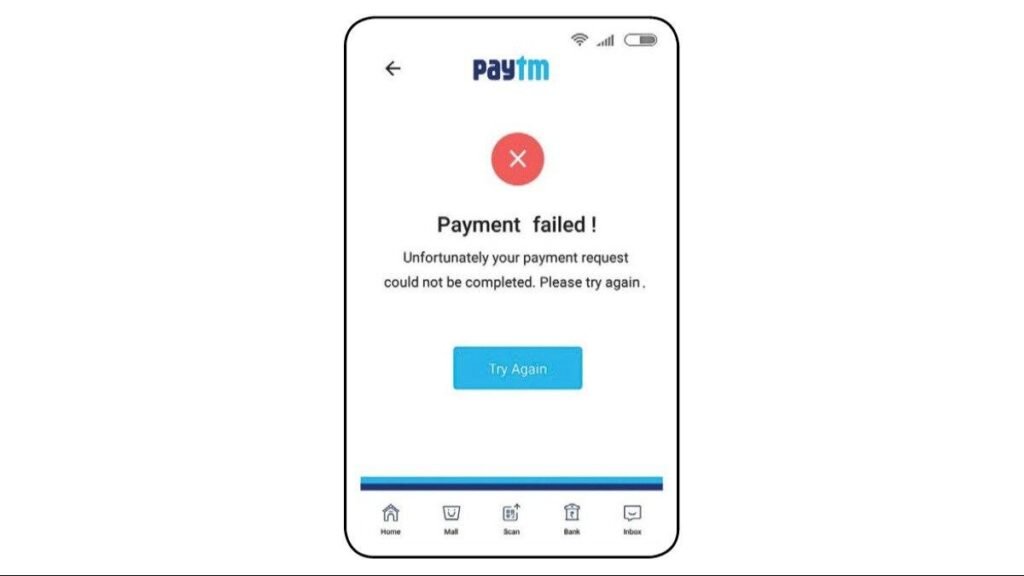

The recent action by the Reserve Bank of India against Paytm Payments Bank has created widespread concern among millions of users across India. If you’re someone who relies on Paytm for daily transactions, wallet usage, or banking services, this development is important—and potentially confusing.
In this detailed guide, we’ll break down what exactly happened, why the RBI took such a strong step, and most importantly, what it means for you as a customer. This article is written to give you clarity, not panic.
What Happened to Paytm Payments Bank?
The RBI directed Paytm Payments Bank to stop accepting fresh deposits and effectively restricted its core operations. This move didn’t happen overnight—it followed a series of compliance concerns flagged by the regulator.
In simple terms, the central bank found issues related to how Paytm Payments Bank was operating, especially around regulatory compliance and customer data handling. As a result, RBI decided to cancel or severely restrict its banking licence.
This means:
- No new deposits can be made into Paytm Payments Bank accounts
- Certain services have been halted or limited
- Existing balances can still be used or withdrawn (subject to guidelines)
Why Did RBI Cancel Paytm Payments Bank Licence?
Understanding the reason behind this decision is crucial. RBI does not take such steps lightly.
1. Compliance Issues
The RBI observed lapses in regulatory compliance. Banks in India must follow strict guidelines related to KYC (Know Your Customer), transaction monitoring, and reporting standards.
2. Concerns Over Data & Systems
There were concerns about how customer data was managed and whether systems were robust enough to prevent misuse.
3. Repeated Warnings Ignored
Reports suggest that Paytm Payments Bank had been given multiple warnings and opportunities to correct these issues but failed to fully comply.
4. Risk to Financial Ecosystem
The RBI’s primary goal is to protect customers and ensure stability in the financial system. Any institution that poses a potential risk is dealt with strictly.
What is Paytm Payments Bank?
Before we go further, let’s quickly understand the concept.
Paytm Payments Bank is a type of payments bank—a special category of bank in India designed to promote financial inclusion. Unlike traditional banks, payments banks:
- Cannot issue loans or credit cards
- Can accept deposits up to a certain limit
- Focus mainly on digital payments and transfers
It became popular because of its seamless integration with the Paytm ecosystem.
Impact on Customers: What You Should Know
This is the most important part for users.
1. Your Money is Safe
There is no need to panic. Your existing balance in Paytm Payments Bank is safe. RBI’s action is regulatory, not a collapse like a scam or bankruptcy.
2. You Can Withdraw Funds
Customers can still withdraw their money or transfer it to another bank account.
3. No New Deposits Allowed
You won’t be able to add new money to your Paytm Payments Bank account after the deadline set by RBI.
4. Wallet Services May Continue (With Changes)
Paytm wallet and UPI services may continue, but they may shift partnerships to other banks.
What Happens to UPI, Wallet, and FASTag?
UPI Services
UPI linked to Paytm Payments Bank may face changes. However, Paytm is likely to partner with other banks to ensure continuity.
Wallet Balance
Your wallet balance can still be used, but loading new funds might be restricted depending on RBI guidelines.
FASTag Users
If your FASTag is linked to Paytm Payments Bank, you may need to:
- Switch to another bank-issued FASTag
- Transfer balance before the deadline
What Should Customers Do Now?
Here’s a practical step-by-step approach:
Step 1: Check Your Balance
Log in and review your Paytm Payments Bank balance.
Step 2: Withdraw or Transfer Funds
Move your money to a safer, fully operational bank account.
Step 3: Update Linked Services
Update:
- UPI IDs
- Auto-pay mandates
- Subscription payments
Step 4: Replace FASTag (If Needed)
Get a new FASTag from another bank to avoid toll issues.
Step 5: Stay Updated
Follow official announcements from RBI and Paytm.
How This Impacts India’s Fintech Industry
This move is not just about one company—it sends a strong signal to the entire fintech ecosystem.
1. Stricter Regulations Ahead
Fintech companies will now face tighter scrutiny.
2. Focus on Compliance
Startups can no longer prioritize growth over compliance.
3. Trust Factor Becomes Critical
Users will become more cautious while choosing digital financial services.
Paytm’s Response and Future Outlook
Paytm has stated that it is working with regulators to resolve issues and ensure minimal disruption to customers.
The company is also exploring partnerships with other banks to continue offering UPI and payment services.
While this is a setback, it may not be the end for Paytm Payments Bank. However, rebuilding trust will be a major challenge.
Key Takeaways
- RBI has taken strict action against Paytm Payments Bank due to compliance issues
- Customer money remains safe
- Withdraw or transfer funds as a precaution
- Update all linked financial services
- Expect changes in how Paytm operates going forward
Final Thoughts
The cancellation of the Paytm Payments Bank licence is a reminder that even the biggest fintech players must follow strict regulatory norms. While the situation may seem alarming at first, it’s largely a precautionary move aimed at protecting users like you.
If you act promptly—by transferring funds and updating your payment methods—you can avoid any inconvenience.
In the long run, such actions strengthen India’s financial system and build greater trust in digital banking.
